QUESTION 1
The article discussing the principal of consistency explores the usability of a system/product and how there are various principals of consistency in designs. Implementing this idea of consistency allows for users to learn faster and focus in the content being presented to them. The article discusses four types of consistency: aesthetic, functional, internal and external. Aesthetic consistency regards the style and look of a particular product and design, as an example each car model and brand have a particular logo which is particular to their car. So, when users and potential buyers see the logo they immediately recognise it and determine the look and style of the car with its brands logo.
Secondly, functional consistency is the repetition of a system or product. With this consistency users become familiar with how they work as it becomes easier to learn by other users and increases overall usability. The author goes on to discuss the principal of internal consistency where designers purposefully group elements of a particular design and ensuring they are consistent with one another- such as “eg., signs within a park are consistent with one another” (Lidwell, Holder and Butler, 2003, p. 46) allowing users to clearly understand the particular systems functions. Through this ‘grouping’ of particular elements within a design it is aesthetically acceptable for users.
On the other hand, external consistency are various independent elements within a particular design system or environment which have consistent designs. “eg., emergency alarms are consistent across different systems in a control room” (Lidwell, Holder and Butler, 2003, p. 46). The article pays particular attention that users can apply knowledge that they’ve previously known to the new context, when trying to operate or understand the functions of another system. This use of consistency provides a greater user experience and increases usability. Similarly, in a study of the affects of similarity and consistency regarding mobile portal services, it was discovered that consistency indeed had a positive affect on usability and also credibility, and consumers’ perception of this (Jongtae, Dongwon, Junghoon & Mycong-Cheol, 2013).
The article I believe is valid as the author provides specific listed points for the readers and further backs up these statements with examples of each type of consistency- such as the Mercedes car logo was formed and is recognisable today due to aesthetic consistency. The author also uses relatable examples of design principals users would see in everyday life.
Overall, these principals of consistency discussed in the article in relation to product design are incorporated for easier user use, as it allows users to learn, accept and function more effectively. Inconsistent designs will cause confusion which will then lead to a decrease in usability as users will become frustrated- designers must uses these principals of consistency in order to keep their systems or products simple and consistent (Nikolov, 2017). “In short, usability and learnability improve when similar elements have consistent look and function in similar way” (Nikolov, 2017). This is seen within webpages, which must be clear and precise, to the point and consistent in order for user to be able to use the sites “efficiently and effectively” (Cappel & Zhenyu, 2007). Usability in a web context is defined as “a quality attribute that assess how easy user interfaces are to use” (Cappel & Zhenyu, 2007).
QUESTION 2
APPLE PRODUCTS
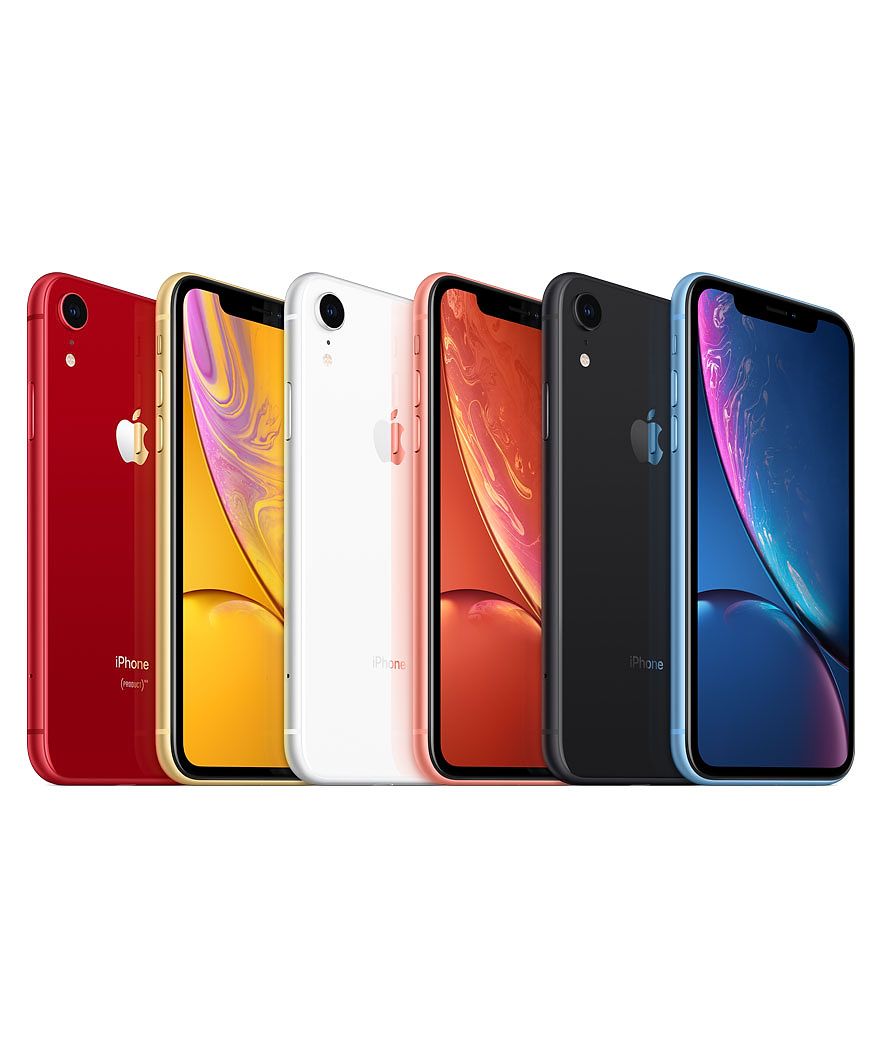
Apple has implemented the principle of consistency through their overall visual design and functionality. With all apple products including the iPhone, iPad and the MacBook’s, Apple has been consistent with the design of the interface and the overall physical aspects of the devices. With this sleek and aesthetic design, Apple has transformed the company into a world-wide creditable brand. Aesthetic consistency is again met through the brands iconic logo placed on the back of the device (iPad, iPhone) or on the front of the computer screen. The ‘apple’ icon which represents the brand name is featured on all Apple products making them “instantaneously recognisable because of the company consistently features its logo” (Lidwell, Holder and Butler, 2003, p. 46).
Functional consistency is met throughout all Apple products, as users are able to easy function various Apple products which ease. All applications such as searching platforms, email, messages, photos etc, are consistent through these various products allowing users when learning how to use and operate a new product or specific application with ease. Stated by Steve Jobs, creator of Apple (as sited in Isaacson, 2012), “The way we’re running this company, the product design the advertising, it all comes down to this: Let’s make it simple. Really simple”.
Overall, Apple products evidently meet the principals of consistency which implements familiar standards and models by using interface elements, well-known icons, standard text styles and uniform terminology (Badashov, 2017).
(iShop, 2019) 
(LappyPhone, 2019)
ADOBE SOFTWARE PRODUCTS
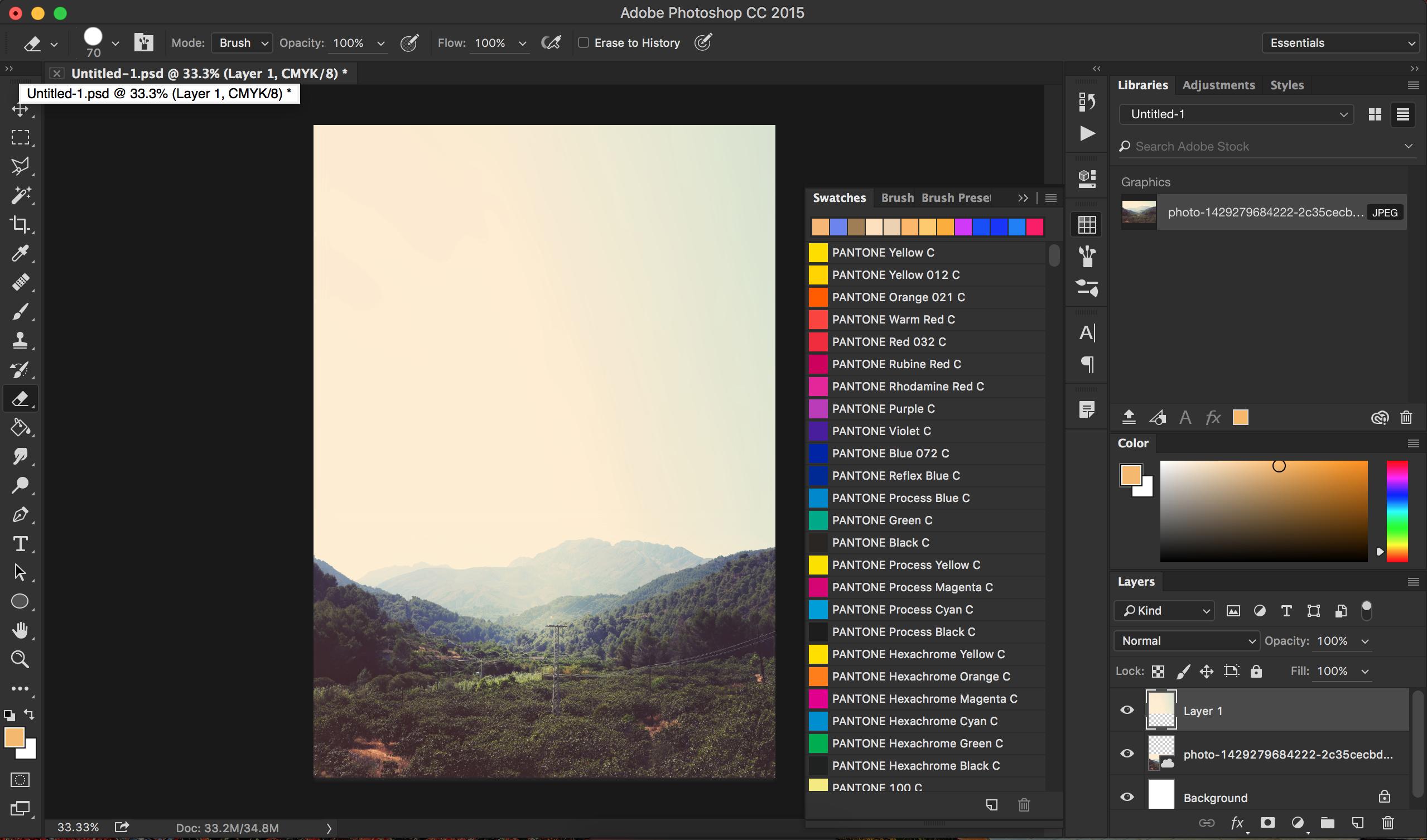
The adobe software is a digital range of applications which are used for digital design and creation. The software has implanted the principle of consistency throughout the software’s functionality and aesthetics. The aesthetic consistency through the software is shown through its interface- across all products various applications are similar to others due to its look. Products such as Photoshop and Lightroom CC have similar layouts in its internal design providing a better experience for users when they try and learn how to use other apps.
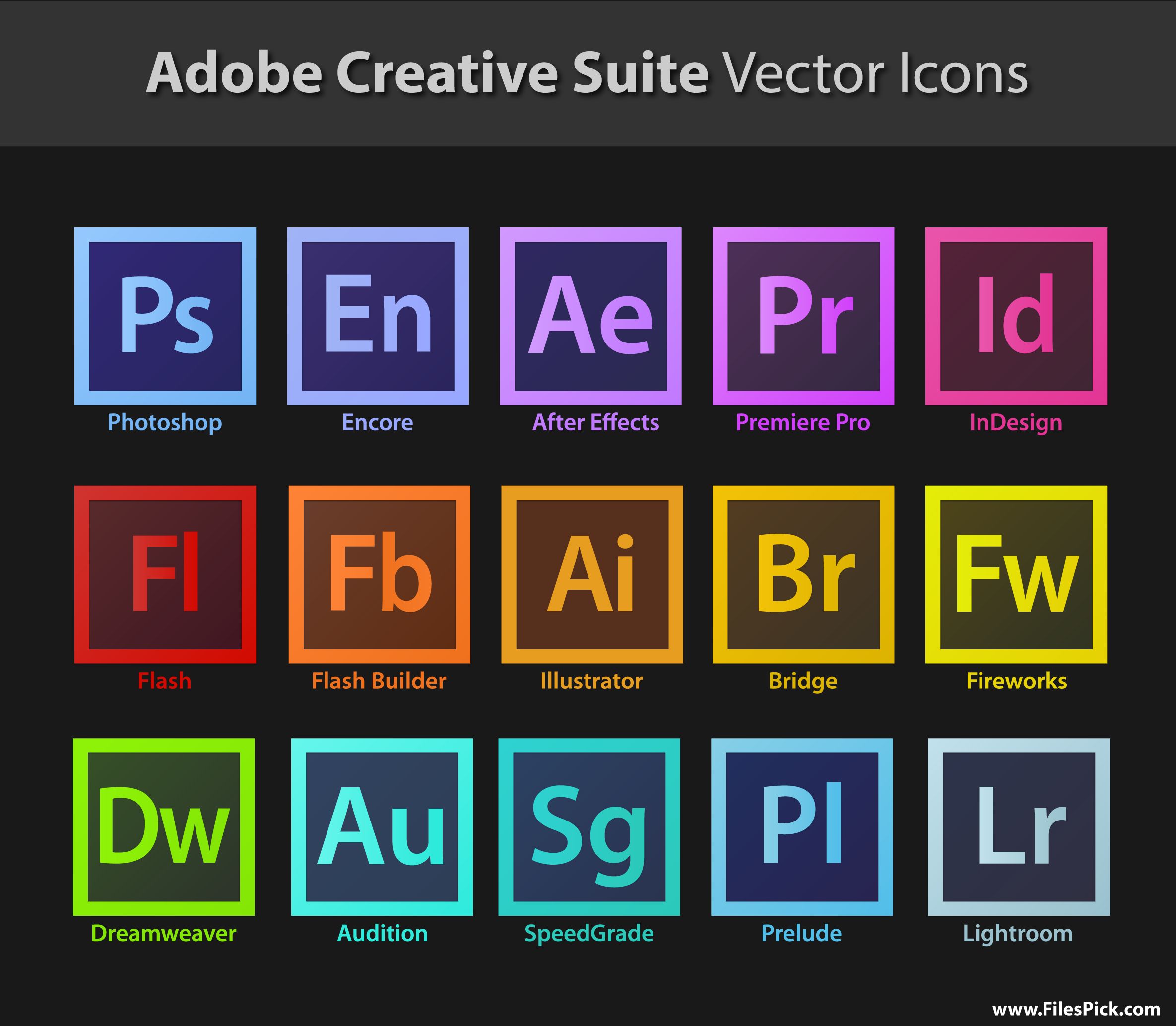
As well as the applications internal design, the Adobe software’s are recognised by its icon. Each application (Premier Pro CC, Lightroom, Photoshop, After Effects etc) have the same logo but what differs the software’s is the colour and the two letters on the application which differentiates the products name, such as Adobe Premier Pro which is named with the letters (Pr). An example is shown below:
(Pinerest, 2019)
As well as the aesthetic consistency seen within this product, the software’s functions are very interchangeable from one adobe product to the other. “The consistent use of the symbols on new devices enables people to leverage existing knowledge about how the control functions , which makes the devices easier to use and learn” (Lidwell, Holder and Butler, 2003, p. 46), this is evident with the Adobe products as once learned the functions of one adobe product users can transfer this prior knowledge and skills to other adobe software (UX Theory Handbook, 2017).
Products such as Photoshop and Lightroom- although the applications may not seem intuitive once leant it becomes easier for users to learn the functionality of the other related applications. The interface of the systems provides a consistent design through all Adobe products which allows users to use the products smoothly and with minimal complications.
(Crack How, 2019) 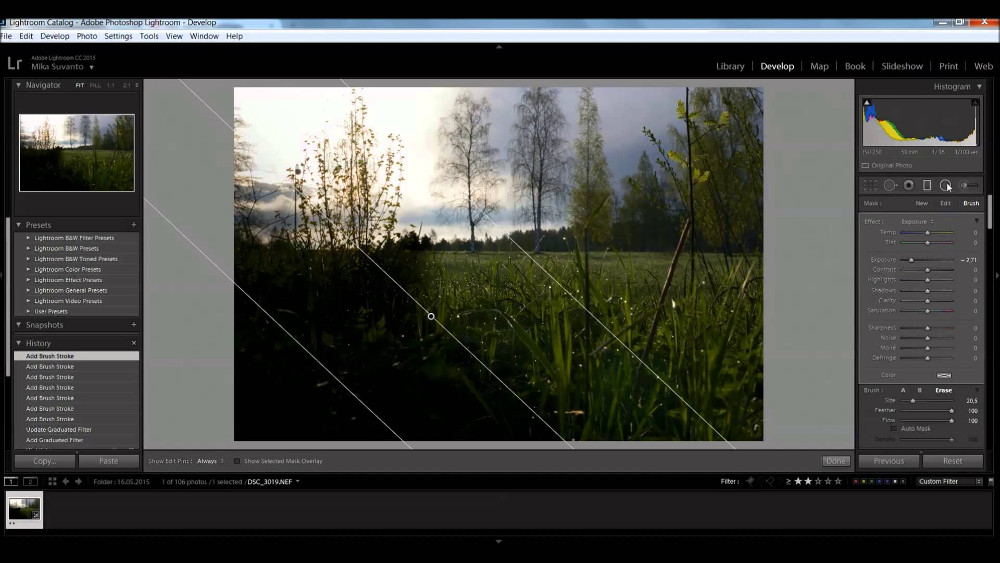
(Getpcsoft Wikisend, 2019)
Facebook was first introduced in 2004 but wasn’t until 2006 that the social media platform became stickily for people 13 years of age and older and the product instantaneously took off. Facebook is an everyday ‘product’ used by majority of the population and meets the principals of consistency. This is evident through its success attributed to its “ability to appeal to both people and businesses and its ability to interact with sites around the web by providing a single login that works across multiple sites” (Nations, 2019)- this success if purely lead by its functionality and aesthetic consistency.
The aesthetic consistency implemented in the product refers to the consistent style and appearance of the product. Since 2004, the introduction of the social media platform the recognisable blue and white ‘f’ logo was first introduced to the mass media audience. As soon as the product took of globally, the design of Facebook remained the same, the overall visual design is clean and blank, “a minimal, well-lit space encourages participation and honest transparent communication” (Badashov, 2017).
The social media platform is “more utility than entertainment, meant for repeated daily use, providing value efficiently” (Badashov, 2017). This is why Facebook has created a streamlined platform, purged of unnecessary clicks and wasted space in order to an efficient user experience (Handbook, 2017). The product has reached great success due to its implementation of great consistency’s through its design and functionality.

(Facebook brand resource centre, 2019) 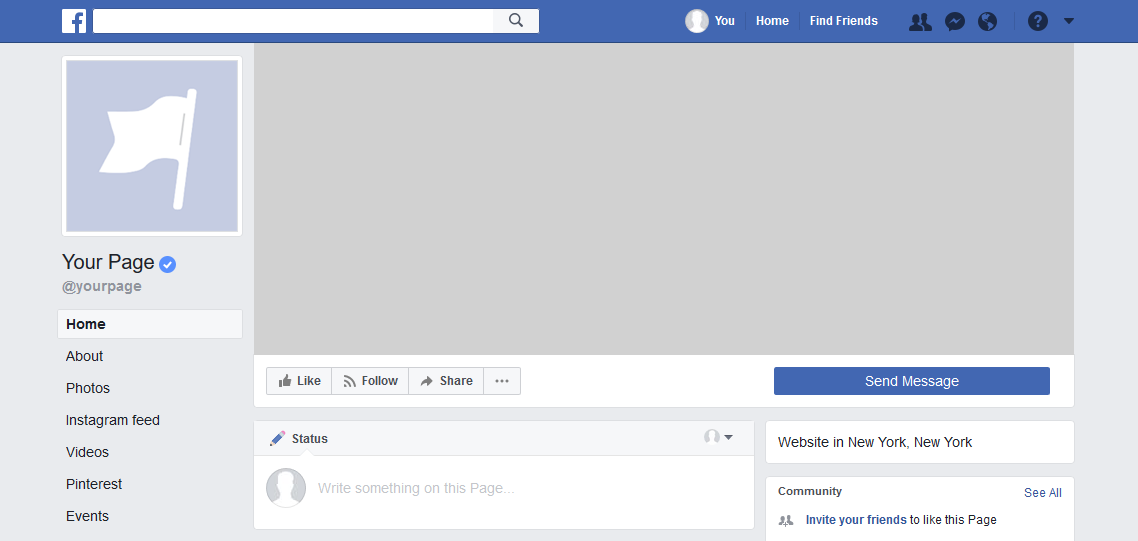
(MakerMoon, 2019)
References
Cappel, J., & Zhenyu, H. (2007). A usability analysis of company websites. The Journal of Computer Information Systems, 48(1), 117-123.
Jongtae, L., Dongwon, L., Junghoon M., & Mycong-Cheol, P. (2013). Factors affecting the perceived usability of the mobile web portal services: comparing simplicity with consistency. Information Technology and Management, 14(1), 43-57.
Lidwell, W., Holden, K., & Butler, J. (2003). Performance Load. In Universal Principles of Design (pp. 148‐149). Massachusetts: Rockport.
Nikolov, A. (2017). Design Principle: Consistency. https://uxdesign.cc/design-principle-consistency-6b0cf7e7339f
Badashov, A. (2017). Design principles behind great products. https://medium.muz.li/design-principles-behind-great-products-6ef13cd74ccf
Walter, I. (2012). How Steve Jobs’ Love of Simplicity Fueled A Design Revolution. https://www.smithsonianmag.com/arts-culture/how-steve-jobs-love-of-simplicity-fueled-a-design-revolution-23868877/
Handbook, I. U. T. (2017). Guiding Principles for a Better Interface. http://www.design-experience.com.ua/better-interface-design/
Nations, D. (2019). What is Facebook? https://www.lifewire.com/what-is-facebook-3486391
Image References
iShop (2019). iPhone XR [Photograph] retrieved from https://ishop.gt/products/iphone-xr
LappyPhone (2019). Apple refreshes the MacBook and MacBook Air laptops [Photograph] retrieved from http://www.lappyphone.com/2016/04/apple-refreshes-macbook-and-macbook-air.html
Pinterest (2019). Adobe Creative Suite Vector Icon [Photograph] retrieved from https://www.pinterest.com.au/pin/664984701199838376/
Getpcsoft Wikisend (2019). Adobe Photoshop Lightroom [Photograph] retrieved from https://getpcsoft.wikisend.com/adobe-photoshop-lightroom-free-download.html
Cracked How (2019). Adobe Photoshop CC v20 Crack (2019) Full [Photograph] retrieved from https://crackedhow.com/adobe-photoshop-cc-crack-2019-v20-windows-upgrade/
Facebook Brand Resource Center (2019). Facebook brand assets [Photograph] retrieved from https://en.facebookbrand.com/#brand-guidelines-assets
MakerMoon (2019). Facebook cover video maker [Photograph] retrieved from https://www.google.com/search?biw=1631&bih=876&tbm=isch&sa=1&ei=DkjyXI2vIsy9rQGg-6HgBg&q=facebook+template+of+feed+&oq=facebook+template+of+feed+&gs_l=img.3..35i39.16318.16921..17143…0.0..0.180.693.0j4……0….1..gws-wiz-img.XFMvc7D8UfM#imgrc=-B-vVI-PzesULM:
 Sana Brotherson