QUESTION 1
Fogg (2003) states that “credibility can be defined as believability”. It is highly important that individuals evaluate credibility- or believability- of websites. If the credibility of websites are in fact not evaluated we could be obtaining in actuate and false information and hence this could continue if not acted upon. Therefore it is vital for individuals to evaluated the credibility of the sources they collect information from on the internet. This is achieved by looking for logos and hints that the website legible and created by real website creators, author or organisation, further research into authors education and qualification to discuss the particular topic.
If so, making sure the creators are qualified in that particular field and also looking out for sponsorships and links to other organisations (Long & Chiagouris, 2006). Additionally, a websites aesthetic design can indicate its credibility. First impressions of the websites overall look and style heavily influences the websites success and if a user continues to gather information from that particular website, it is found that within 3.42 seconds, a person has judged the credibility based on the appearance of the website alone (Glore & David, 2012).
Credibility of websites could affect students, as they are constantly searching for sources as a part of their work. If students were obtaining false formation they would essentially fail to broaden their knowledge effectively. This would also have a negative impact on their work and the quality of information provided in their assignments.
QUESTION 2
Wikipedia is not an accepted credible resource due to the fact that any online user can change the content displayed- anyone has access to corrupt or produce false content, therefore pieces of information written might not be in fact the truth and are therefore not credible to use as a source of information for academic assignments. Though wikipedia is perceived as a great source for quick information to get a general questions or topics that users might be searching, however, “when you’re doing academic research, you should be extremely cautious about using Wikipedia.” (“What’s Wrong with Wikipedia?
Harvard Guide to Using Sources”, 2016). As its own disclaimer states, “Wikipedia is not considered a credible source.” (“Academic use”, 2016). All these key factors mean that the site’s trustworthiness is hampered with, as no one can guarantee that the site’s content is “truthful, fair and unbiased” (Fogg, 2003).
This is why students are urged to use credible scholarly websites, books and academic articles rather than Wikipedia and similar sites, to ensure that only qualified and credible people are presenting the information to ensure that this information be accurate and reliable.
QUESTION 3
- If a website has links on the page that take you to the error 404 page meaning the links are either missing or don’t work, or the links take you to other pages that appear unreliable, this can make users perceive the website as unreliable.
- If the site also has a difficult navigation menu bar that’s not visibly at the top of the page or down the side of the website format, this can also be seen as unreliable as users wont waste their time searching.
- At the bottom of a site you can see how often it gets updated, the most credible sites have been updated within the current year and year before, if they haven’t been updated for example, from 2000, this could be seen as unreliable as content needs to be updated with new information, especially if its information you will be using in an academic assignment.
- If the site your using has automatic pop-up windows, even when you have set in your browser settings to disable pop-ups, and particularly if these pop-ups are ads for potential virus contained website, this site would be considered unreliable and shouldn’t be used in the future.
QUESTION 4 – IMAGES
Presumed– ECU Website
An example of presumed credibility would be the ECU website, as a presumed credible website is one that refers to, “the trust we give to someone or something because of the general assumptions we hold.” (Papantoniou, 2016). Therefore university websites would show a more trust worthy site than course provider websites. Due to the website allowing contact information, a physical address, a professional appearance etc. the ECU website is a perfect example of a presumed credibility website.

(ECU, 2019)
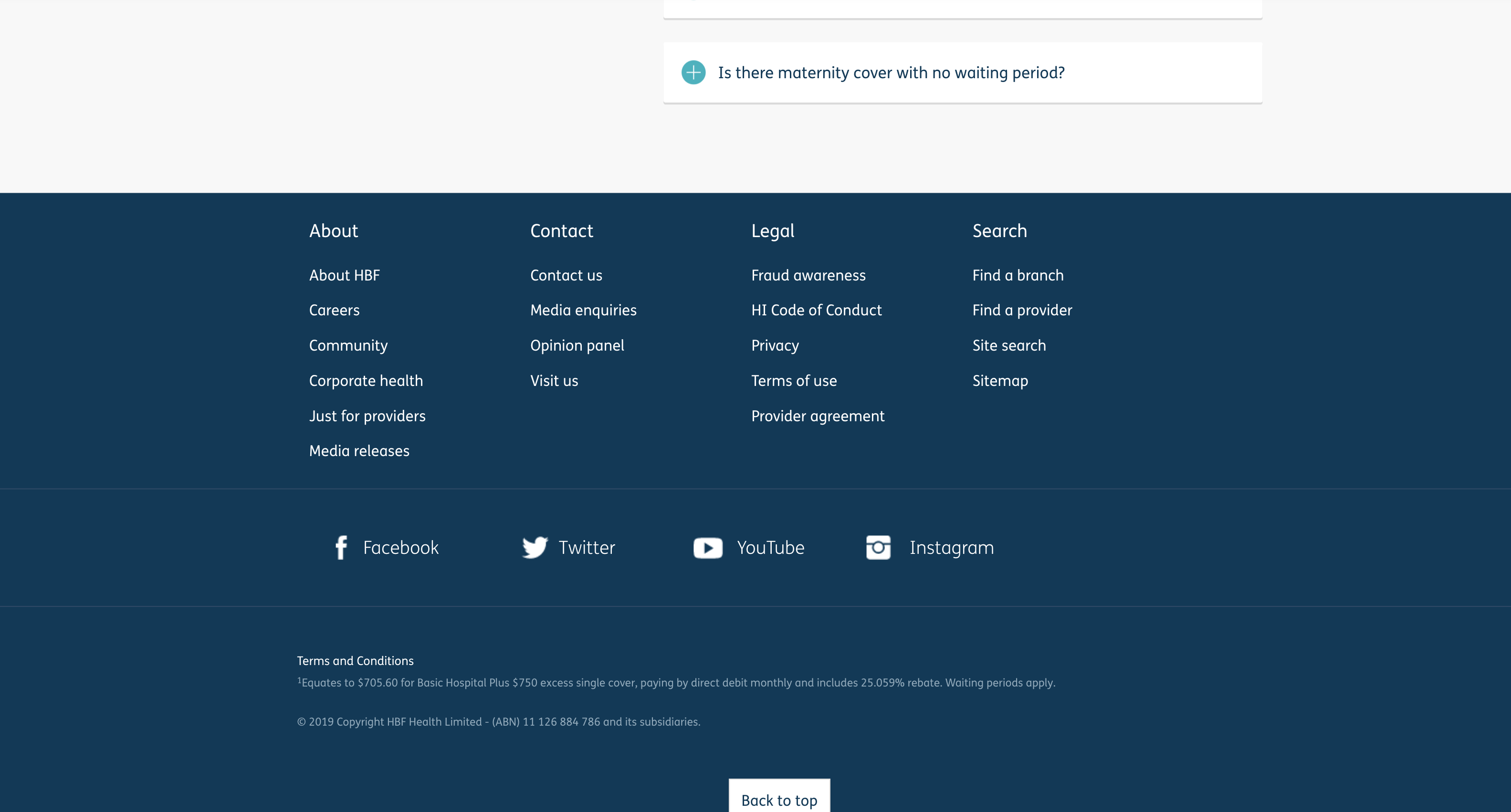
Reputed– HBF Website
An example of reputed credibility site would be the HBF website, as this type of credibility is one that has “referenced from third parties… to persuade users to trust you.” (Papantoniou, 2016). Hence why the HBF website is considered a reputed credibility site as it contains information at the bottom by people who support them.
(HBF, 2019) 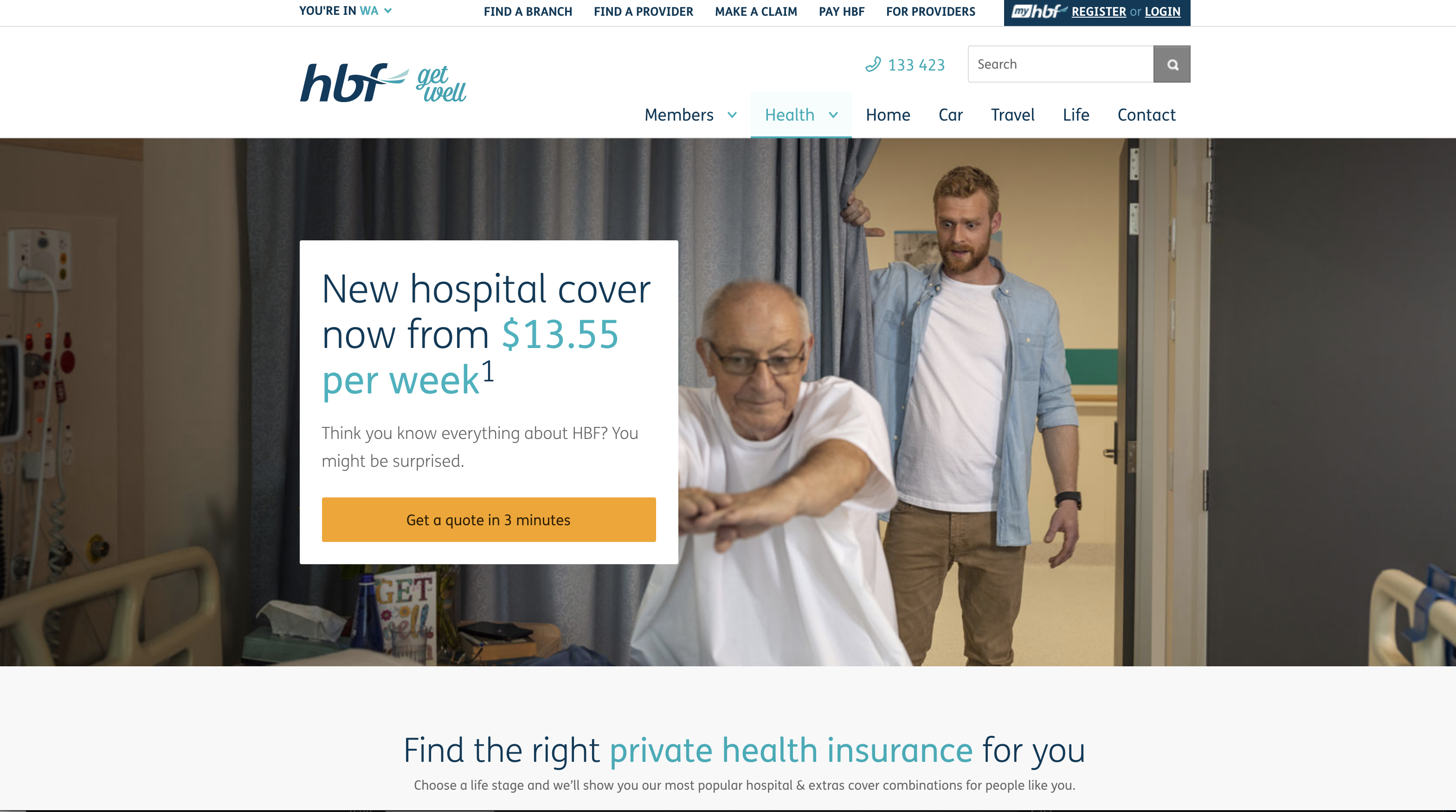
(HBF, 2019)
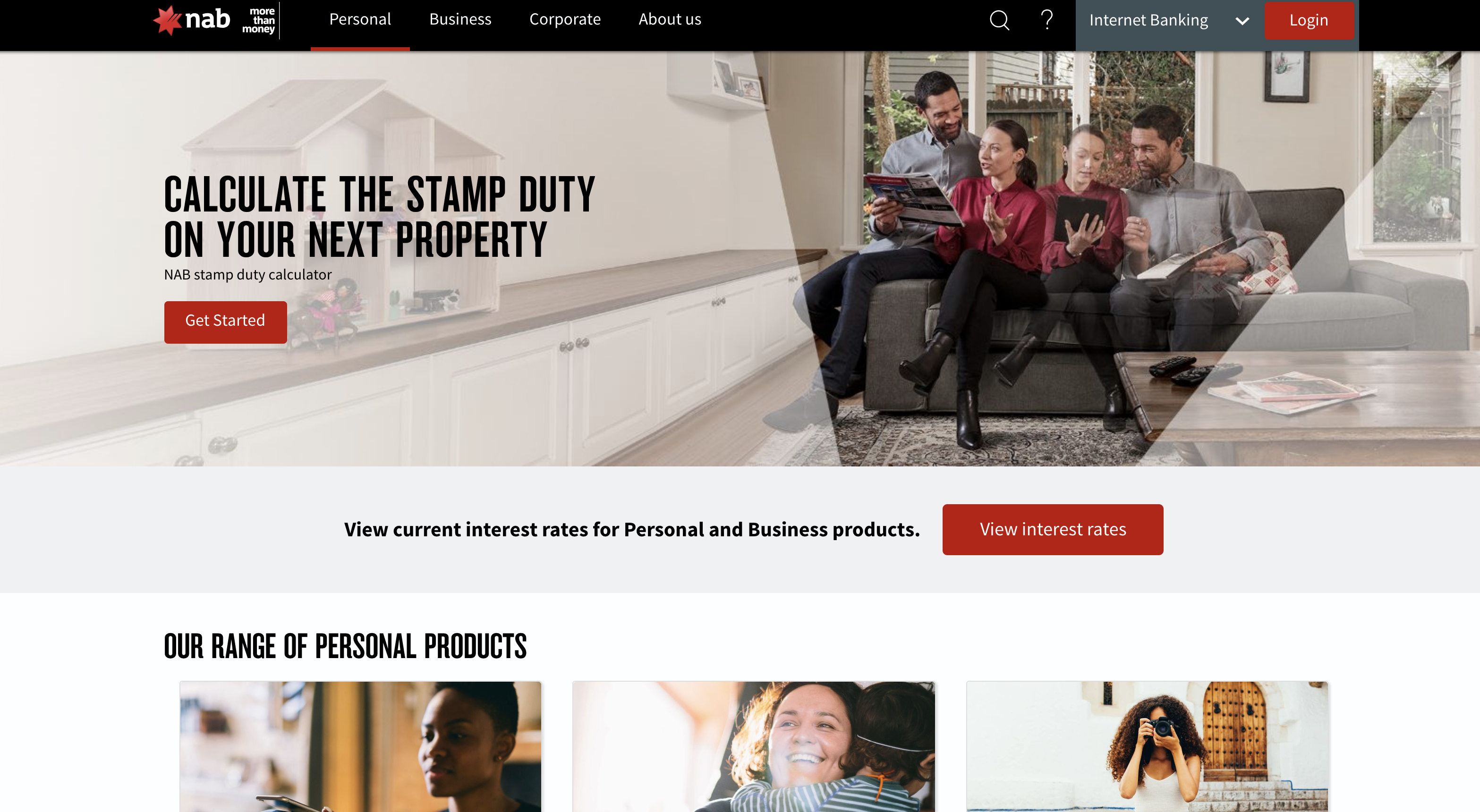
Surface– NAB Website
An example of surface credibility site would be the NAB website as this type of credibility is one about, “great visual design and exceptional content. It’s the first impression we get from the site after a simple inspection.” (Papantoniou, 2016) Therefore due to NAB’s professional visual design and prominent logo, including relevant information, it completely conveys as an example of surface credibility, as users would completely trust this website due to these factors.
(NAB, 2019)
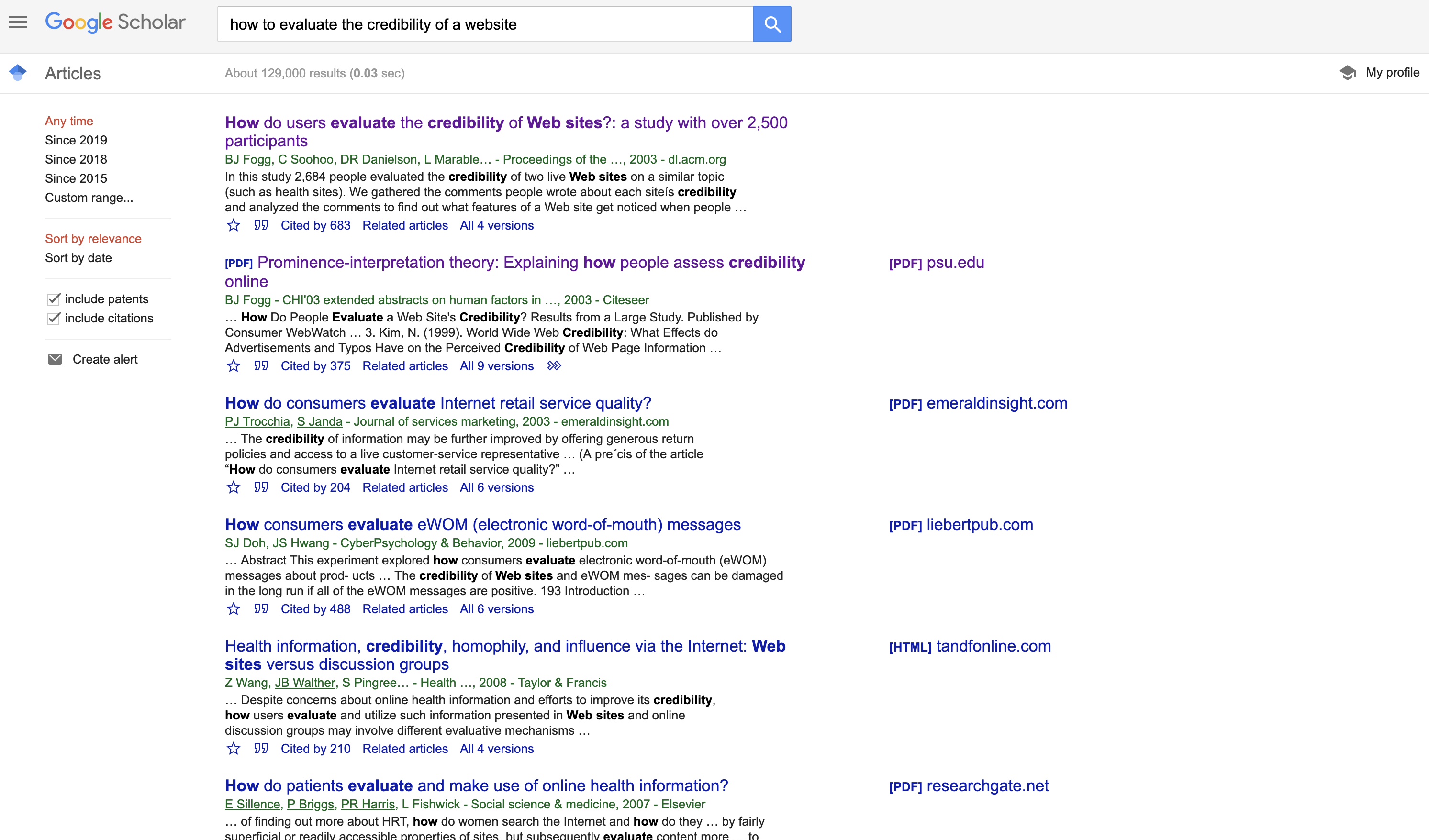
Earned– Google Scholar
Earned credibility refers to, “credibility that is earned by great user experiences after multiple visits. Usability, up-to date information and great customer servie are a must.” (Papantoniou, 2016). Therefore I believe Google scholar is a great example of earned credibility, as the are one of the most frequently visited sites for academic information global rather to a website like Wikipedia which isn’t as credible.
(Google Scholar, 2019)
References
Fogg, B. J. (2003). Credibility and the World Wide Web. In Persuasive Technology: Using Computers to Change What We Think and Do (pp. 122‐125). Amsterdam: Morgan Kaufmann Publishers.
Papantoniou, L. (2011). Do you trust me? Assessing Web Credibility. Usabilla, 1-10. Retrieved from http://blog.usabilla.com/do-you-trust-me-assessing-online-credibility/
Glore, P. & David, A. (2012). Design and Aesthetics in E-Learning: A Usability and Credibility Perspective.International Journal on E-Learning, 11(4), 383-390.
Long, M,. & Chiagouris, L. (2006). The role of credibility in shaping attitudes toward nonprofit websites. Int. J. Nonprofit Volunt. Sect. Mark, 11, 239–249.
Image References
Google Scholar (2019). Google Scholar Homepage. Retrieved from https://scholar.google.com.au/
NAB (2019). NAB Homepage. Retrieved from https://www.nab.com.au/
HBF Private Health Insurance (2016). HBF Homepage. Retrieved from https://www.hbf.com.au/health-insurance?cmpid=sem:goo:241272748041&s_kwcid=hbf&kwmt=%7bmatch%20type%7d&ds_rl=1239524&ds_rl=1239524&ds_rl=1239524&gclid=Cj0KCQjwxMjnBRCtARIsAGwWnBPDyHStTO3pT-w78qwyJiO5FyPDCTQOhwNtMgWk2xcVKGsoM7obrtgaAh2xEALw_wcB&gclsrc=aw.ds
ECU (2019). ECU Homepage. Retrieved from https://www.ecu.edu.au/
 Sana Brotherson