QUESTION 1
The article ‘Aesthetic-Usability Effect’ explores the idea around user’s engagement and perception based on the aesthetics of designs of particular products- users “perceive attractive products as more usable. People tend to believe that things that look better will work better — even if they aren’t actually more effective or efficient” (Moran, 2017). The article provides an affirmative argument that aesthetic designs are more accepted by users as they are more willing to actively engage in the information and/or product being produced and therefore accumulating a higher probability of the product being used (Chakraborty, 2017).
As well as a more aesthetic design the article further discusses that it also fosters a positive attitude from users which overall increases the success of the design. Further research suggests this idea of the ‘Aesthetic-Usability effect’ is constantly implemented in systems such as websites- as various organisations that are either selling/promoting products or various systems strive for more aesthetically pleasing designs and therefore a more usable platform for users.
Overtime, from when the first website was ever introduced on the world wide web in the 1990’s- as we see today the design of these websites were very low standard to what we expect in the 21st century (Lawrence, Tabakol, 2007). The design approaches initially more simplistic with not much colour or patters and rather focusing on text and not the visual aspect- which is what has been proven to attract consumers. Later there was a surge of interests and investment in the WWW across societies- and soon enough websites were faced with consumer expectations and a rather extensive technical change with how they operated in order to construct more aesthetic, engaging and commercially accepted designs.
The functionality of a design- such as the interface of a product such as a computer needs to have the necessary functions in order for sufficiently usability as it needs to perform the tasks for which is is intended to do. If this function are not usable then this leads towards consumer dissatisfaction. Consumers as an expectation these days are not willing to accept difficulties in interacting with products (Jordan, 2000).
QUESTION 2
PHONES
Smartphone devices have become an everyday item in our society today and overtime mobile phone companies have technologically enhanced in their aesthetics design and overall usability. This product meets the ‘Aesthetic Usability effect’ as phone designs have enhanced, such as brands such as Apple. However, this effect is at its strongest when the aesthetics serve to support and enhance the content and functionality of the product which Apple has driven to achieve (Chakraborty, 2017).
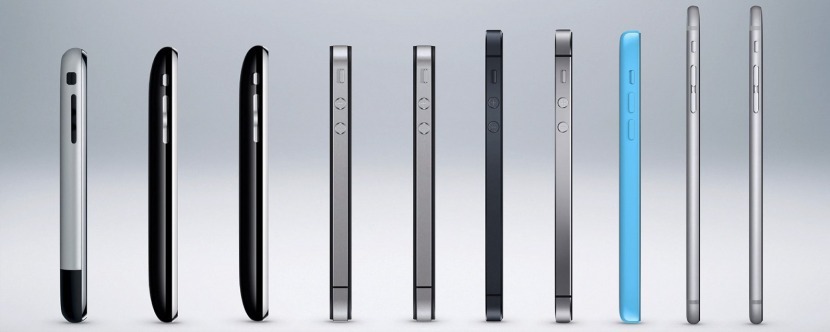
Overtime, Apple has significantly developed its physical design. These changes includes the sizing and home screens interface, these changes have been made in order to appeal to customers needs and expectations for constant updates of new aesthetic designs and its physical usability. Since the introduction of the iPhone in 2007, the interface of the smartphone today has been changed significantly since the first iPhone 3.
Firstly, the iPhones have increased in size (though also provide a ‘plus’ version of the iPhone) of the screen so that users are able to view their smartphones on a larger surface space, making the visual design of the iPhones applications and functions more usable. Additionally, the phones home button has been removed from recent releases of the iPhone (including the new iPhone X and XR) making the screen again a larger cleaner surface with zero clutter- purely transitioning the iPhone to all touch screen phone.
The iPhone as also been known over the last 10 years, to improve the weight of the device. Due to decreasing the width of the phone Apple has successfully produced a sleak and modern phone which continues to please customers to date. Overall, smartphones overtime, develop and improve the aesthetic design and usability of the iconic device, as stated by Steve Jobs, creator of Apple (as sited in Isaacson, 2012), “The way we’re running this company, the product design the advertising, it all comes down to this: Let’s make it simple. Really simple”.
(iPhoneLife Magazine, 2018) 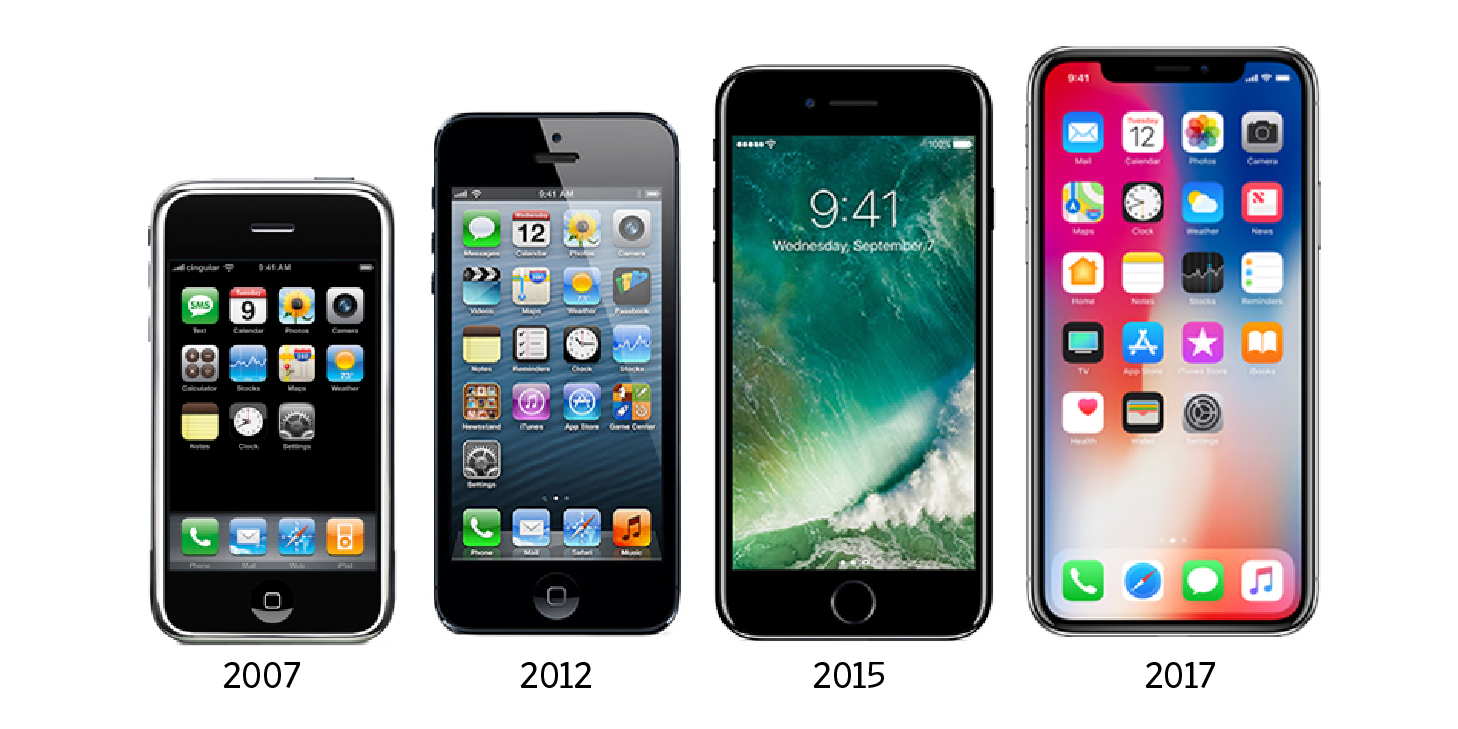
(The Wall Street Journal, 2018)
COMPUTERS
Similar to smartphones such as Apple’s iPhone, laptops/computers have modernised overtime due to the development in the evolution of media technologies and hence meet the aesthetic usability principal. Computers have transitioned from these large limited machines which are now seen as less aesthetic and usable. Computers have become lighter in size and more aesthetically pleasing through its slick and modernised design. Due to the improved designs, laptops have become portable and efficient to use hence meeting the aesthetic usability principal.
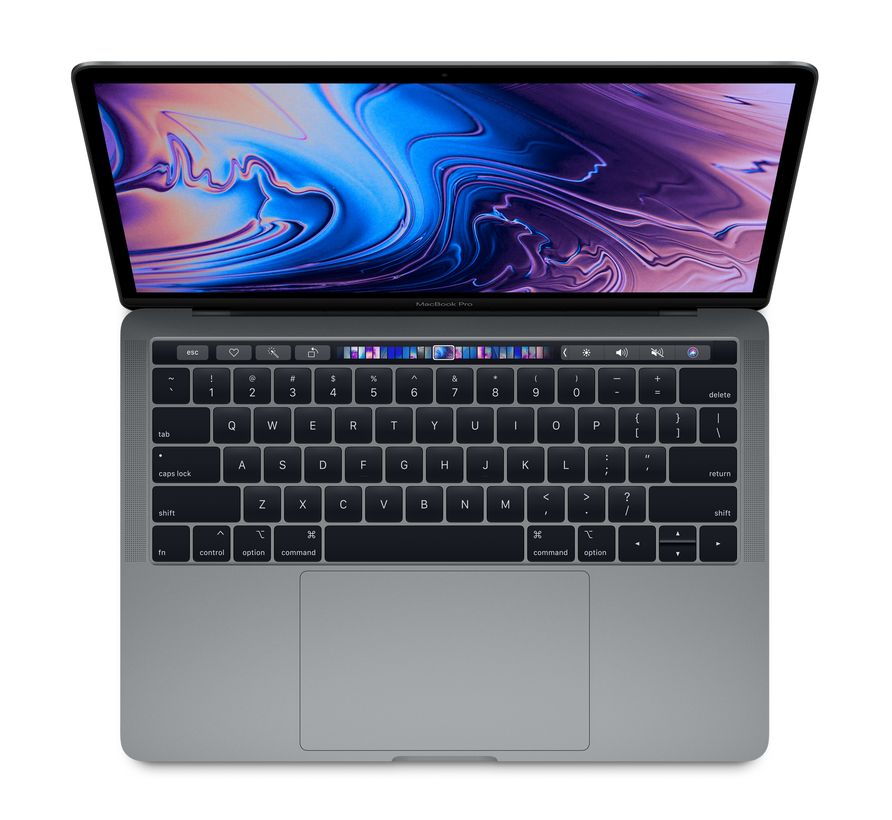
Computer brands such as Apple, meet this effect evident in their current range of Apple Mac Pros which include a touch bar on the key pad section. This allows its users to easily access functions quicker and more efficiently- this has evidently shown that computer designs have been improved for better usability of the product by users, as well as also being visually engaging for potential users. “The extent to which a product can be used by specified users to achieve specified goals with effectiveness, efficiency, and satisfaction in a specified context of use” (Punchoojit, Hongwarittorrn, 2017).
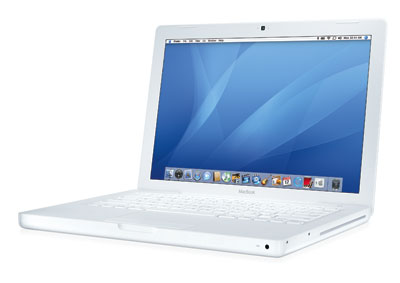
Apple has also released various colours for the MacBook’s, again a development from the initial release of the Apple MacBook in 2006. The original silver design has been modernised overtime, to now produced in rose gold and space grey. With these improvements in the aesthetic design of the product, the laptops are given a higher probability of being used (Lidwell, Holder and Butler, 2003, p. 18). Additionally, to a larger range of colours making. The products design more visually engaging, the MacBook since initial release has decreased in weight though increased in various technological capabilities including processing speed, memory and graphics. These are all significant factors for long term usability of the product and overall success of the design.
CARS
Cars are products found in everyday surroundings which meet the aesthetic usability effect. Overtime, as this product has modernised the designs of cars have become more aesthetically pleasing and improved with enhanced technology such as GPS, cruise control, motion sensors etc. All which has been implemented for better user usability.
Designs in relation to products have been made more aesthetic for the aim of higher probability of the product being used. “Aesthetic designs have been perceived as easier to use” (Lidwell, Holder and Butler, 2003, p. 18), the authors are correct in this sense, as cars and other modes of transportation have been developed both aesthetically and functionally due to the enhancement of technology and car performance in the last 20 years. Though first impressions of a cars visual design draw users to believe that because the product provides a sleek and modern image, it is in fact easier to function.
With the addition of new technologies which is constantly developing in our vehicles today such as GPS tracking, bluetooth, cruise control and motion sensors in cars, these vehicles have become more efficiently functional and further aesthetically pleasing. Again the aesthetic usability effect is met as users are attracted to the product because of this aesthetic designs which implies the impression that it is easier and more efficient to use regardless if it’s not.
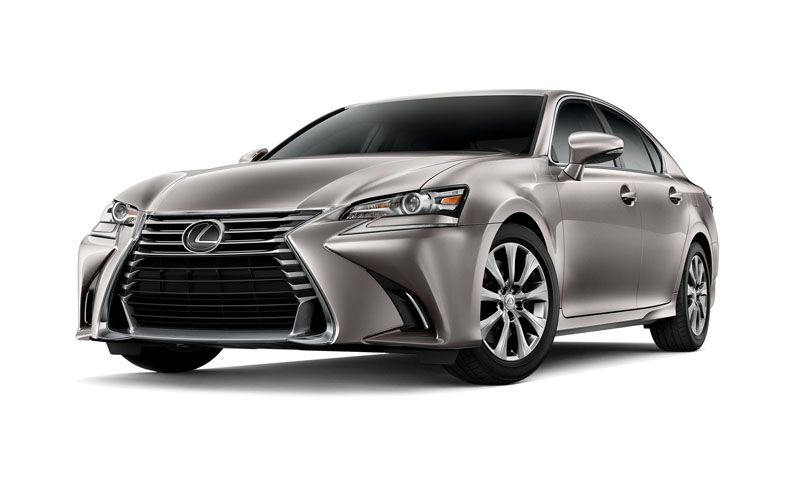
Car and Driver Lexus, 2019) 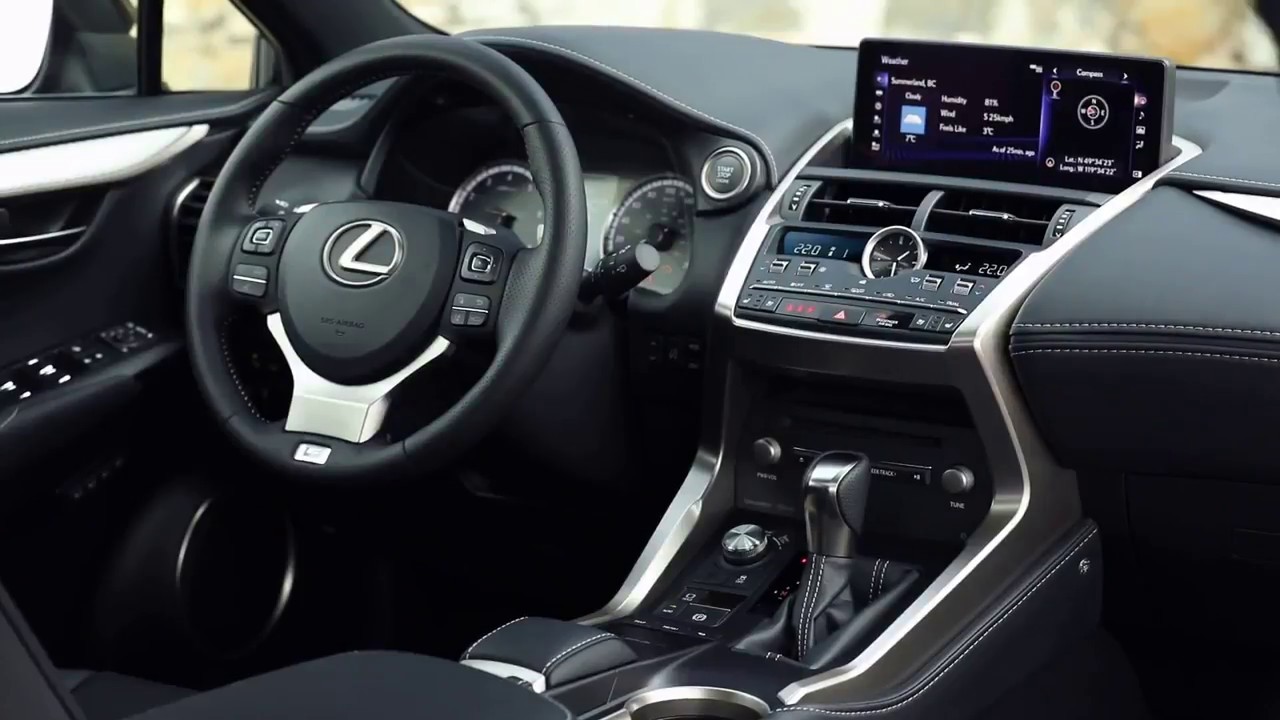
(reddit, 2018)
References
Punchoojit, L., & Hongwarittorrn, N. (2017). Usability Studies on Mobile User Interface Design Patterns: A Systematic Literature Review. https://www.hindawi.com/journals/ahci/2017/6787504/
Jordan, P. W. (2000). Designing Pleasurable Products- An Introduction to the New Human Factors (Publication no. https://doi.org/10.1201/9780203305683). https://www.taylorfrancis.com/books/9780429219962
Lawrence, D., & Tavakol, S. (2007). Balanced Website Design: Optimising Aesthetics, Usability and Purpose.
Chakraborty, A. (2017). The Aesthetic-Usability Effect: Why beautiful-looking products are preferred over usable-but-not-beautiful ones.
Moran, K. (2017). The Aesthetic-Usability Effect. https://www.nngroup.com/articles/aesthetic-usability-effect/
Image References
Apple (2019). 13-inch MacBook Pro [Photograph]. Retrived from https://www.apple.com/au/shop/buy-mac/macbook-pro
Apple-history/MacBook (2015). MacBook [Photograph]. Retrieved from https://apple-history.com/mb
Car and Driver (2019). Lexus [Photograph]. Retrieved from https://www.caranddriver.com/lexus
Reddit (2018). r/Lexus [Photograph]. Retried from https://www.reddit.com/r/Lexus/comments/8x0es3/why_does_the_new_lexus_nx_have_the_worst_interior/
The Wall Street Journal (2019). The iPhone Evolution [Photograph] retrieved from https://www.wsj.com/graphics/iphone-evolution/
iPhoneLife Magazine (2018). The Evolution of the iPhone: Every Model from 2007–2018 [Photograph] retrieved from https://www.iphonelife.com/content/evolution-iphone-every-model-2007-2016
 Sana Brotherson